If you operate a box truck in 2026, a roadside breakdown isn’t just an inconvenience—it’s a financial catastrophe. Between the rising cost of emergency towing (which has surged 15% this year) and the aggressive «Level II» roadside inspections by the DOT, a single neglected maintenance item can cost you upwards of $5,000 in a single afternoon.
At FreightPulse360, we analyzed data from the first quarter of 2026 and found a disturbing trend: over 60% of box truck out-of-service (OOS) violations were caused by «preventable» maintenance failures.
In this definitive guide, we’re breaking down the top 7 maintenance pitfalls that are currently killing small fleets and, more importantly, how to build a «Bulletproof Maintenance Schedule» that keeps the DOT off your back and your trucks on the road.
1. The «Regen» Trap: Diesel Particulate Filter (DPF) Neglect
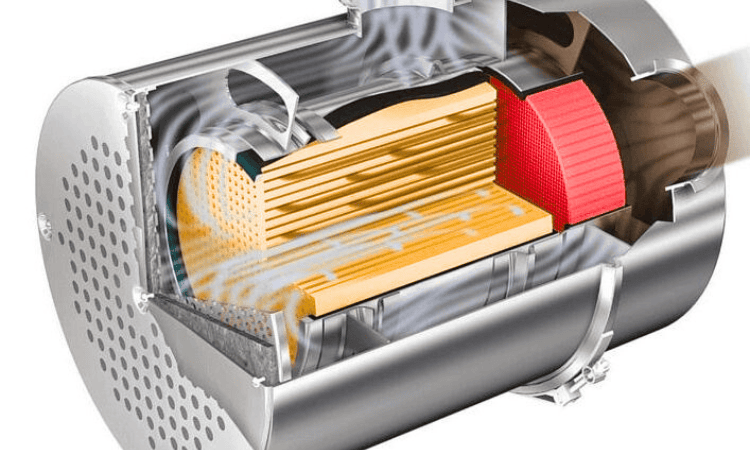
In 2026, emissions laws have become even stricter. For box trucks doing «Last Mile» delivery in cities like New York, Chicago, or Los Angeles, the DPF is your #1 enemy.
The Pitfall:
Box trucks that spend 80% of their time in stop-and-go traffic never get hot enough to complete a «passive regeneration.» This leads to soot buildup, which eventually triggers a «Derate» mode.
- The Cost of Failure: A tow to the dealer + a forced regen + a sensor replacement = $1,200 – $1,800.
The 2026 Solution:
Don’t wait for the dashboard light to turn red. If your truck has been idling in a loading dock for 4 hours, perform a parked «forced regen» manually. Additionally, using high-quality DEF (Diesel Exhaust Fluid) is non-negotiable; cheap, contaminated DEF can crystallize and destroy your dosing valve in weeks.
How to Build Direct Shipper Relationships (And Stop Relying on Load Boards).
2. Tire Inflation and «Casing» Integrity in Extreme Heat
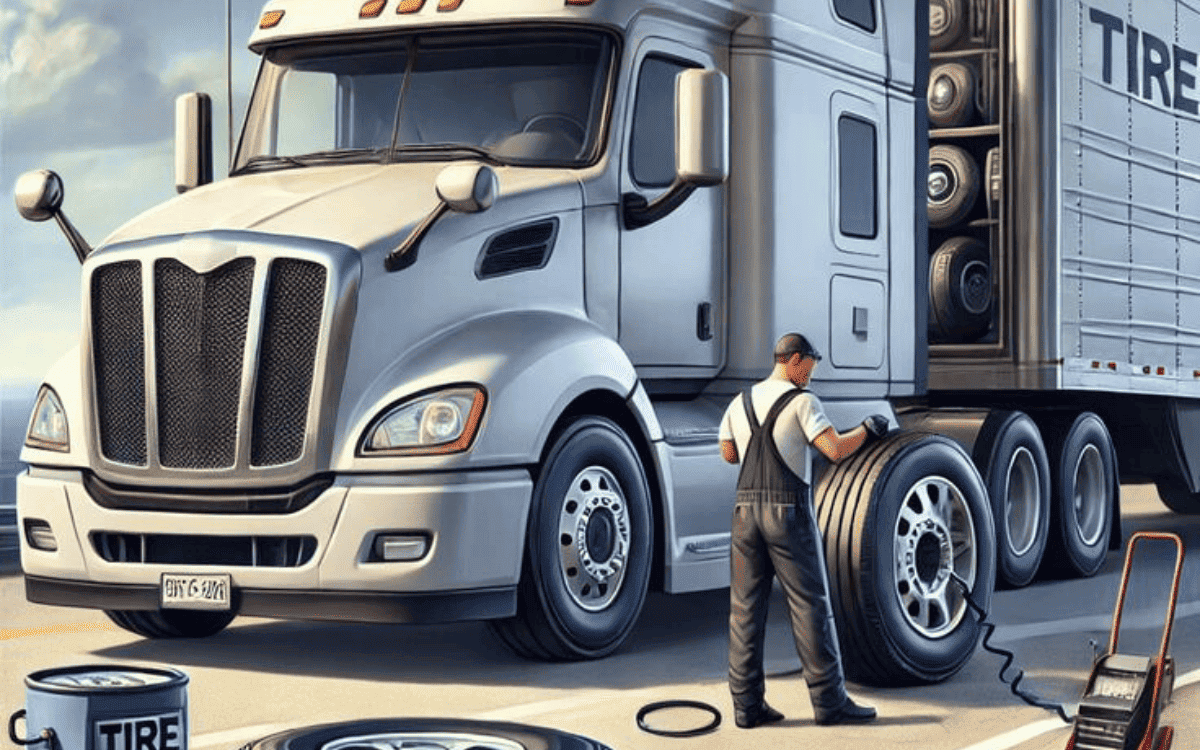
Tires are the second highest expense after fuel. Yet, most owner-operators only check their pressure when a tire looks flat.
The Pitfall:
Running a tire just 10 PSI low increases rolling resistance, killing your fuel economy by 3%. In the summer heat of 2026, under-inflated tires lead to internal heat build-up, causing the tread to separate from the casing (a blowout).
- The DOT Impact: Inspectors are now using thermal imaging cameras at weigh stations. If they see a «hot» tire (indicating low pressure or a sticking brake), you are getting pulled in for a full inspection.
3. Liftgate Hydraulic Failure: The «Invisible» Profit Killer
For a box truck owner, a broken liftgate is the same as a broken engine. If you can’t unload, you don’t get paid.
The Pitfall:
Most operators never change their liftgate’s hydraulic fluid. Over time, condensation builds up inside the reservoir, leading to rust on the valves and «shuddering» when lifting heavy pallets.
- The Maintenance Hack: Check your liftgate battery box every month. Road salt and grime build up on the terminals, causing the motor to draw too many amps and blow the main fuse. A $5 can of terminal cleaner can prevent a $600 «emergency mobile repair» call.
4. Braking Systems: The Air Dryer Crisis
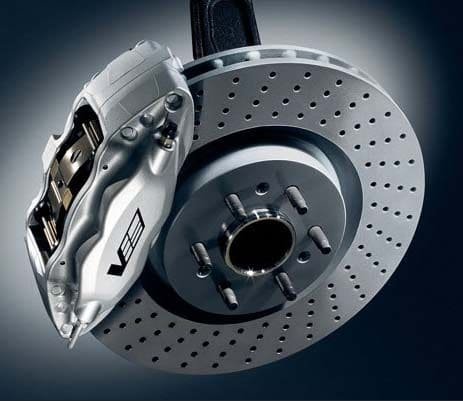
In 2026, «Brake Safety Week» is year-round. DOT officers are focusing heavily on air leaks and slack adjuster travel.
The Pitfall:
Ignoring the Air Dryer Cartridge. The air dryer is responsible for removing moisture and oil from the air lines. If it fails, water enters your brake chambers.
- Winter Risk: Moisture freezes, locking your brakes solid.
- Summer Risk: Moisture causes internal corrosion in the ABS valves, leading to a $2,500 repair bill.
5. The «E-Track» and Floor Integrity Crisis
Brokers in 2026 are becoming extremely picky about «Cargo Worthiness.» If your box has holes in the floor or loose E-tracks, high-value shippers (like medical or tech companies) will reject your truck at the dock.
The Pitfall:
Water damage from roof leaks. Small leaks in the roof of the box seep down into the wooden floorboards.
- The Safety Hazard: A heavy forklift driving into a rotted box can literally fall through the floor. Always perform a «light test»: go inside the box, close the door, and look for «stars» in the ceiling. If you see light, water is getting in.
6. Lighting and «Amber» Compliance

It sounds simple, but lighting is the #1 reason for «probable cause» stops. In 2026, a single burnt-out clearance light on the top of your box is an invitation for an inspector to find five other things wrong with your truck.
The LED Trap:
While LED lights last longer, their connections are prone to vibration damage. A «flickering» LED is considered a non-functioning light by the DOT. Check your «marker» lights every single morning during your pre-trip.
7. Fluid Analysis: The «Blood Test» for Your Engine
Modern engines in 2026 are highly sensitive. Waiting for an «Engine Oil» light to come on is a recipe for a $25,000 overhaul.
The 2026 Standard:
Small fleets are now using Oil Analysis Kits (like Blackstone Labs). By sending a small sample of your oil to a lab every other oil change, you can detect:
- Antifreeze in the oil: Indicates a blown head gasket or EGR cooler leak.
- High Copper/Lead levels: Indicates bearing wear.Detecting these issues early allows you to schedule a $2,000 repair instead of a $20,000 engine replacement.
The Ultimate Guide to Starting a Box Truck Business in 2026: From $0 to $10k/Month
🛠️ The 2026 Box Truck «Pre-Trip» Checklist (5-Minute Version)
To stay compliant and profitable, every driver at FreightPulse360 should follow this «Circle Check»:
- The Approach: Look under the truck for fresh puddles (Coolant, Oil, or Fuel).
- The Engine: Check the serpentine belt for «fraying.» A snapped belt in 2026 means no power steering and no alternator.
- The Box: Ensure your rear door rollers are greased. A stuck door at a delivery is a lost day of pay.
- The Tires: Thump every tire or use a digital gauge. 100-110 PSI is the standard for most 22.5″ box truck tires.
- The Lights: Turn on your hazards and walk around the truck. If it’s dark, check your «puddle lights» for safety.
💰 The Real Cost of Neglect (2026 Estimates)
| Component | Preventive Maintenance Cost | Emergency Repair Cost |
| DPF Cleaning | $450 | $3,500 (Filter + Tow) |
| Brake Adjustment | $80 | $2,800 (OOS Violation + Fine) |
| Oil Change (Semi-Synthetic) | $350 | $22,000 (Engine Overhaul) |
| Tire Pressure Check | $0 (5 mins) | $900 (Roadside Blowout) |
Conclusion: Maintenance is Your Best Marketing Tool
In the competitive landscape of 2026, the most profitable trucks are the ones that never stop moving. When a shipper sees a clean, well-maintained box truck with working lights and a solid floor, they trust you with their most expensive freight.
At FreightPulse360, we always say: «Take care of the truck, and the truck will take care of the check.» Don’t let a $50 sensor be the reason your business fails this year.
Related
 Home
HomeBox Truck vs Semi Truck Business: Which Is More Profitable?
You are standing at a crossroads that every logistics entrepreneur eventually hits. You have some capital, you have your business licenses ready, and you are Home
HomeBest TMS Software for Trucking and Logistics Companies
Ask any fleet manager or owner-operator what keeps them awake at night, and they won’t just say fuel costs or broker negotiations. They will tell
1 comentario en «Top 7 Box Truck Maintenance Pitfalls That Lead to Roadside Shutdowns.»