
In the trucking and logistics industry, the «glamour» of the long-haul Class 8 sleeper is fading, but the Box Truck game is exploding. Why? Because e-commerce isn’t slowing down, and «Last Mile» delivery is where the real money is moving right now.
I’ve seen dozens of people jump into this business thinking it’s as easy as renting a truck and driving. Spoiler alert: It’s not. If you don’t have a strategy for your authority, your insurance, and your load sources, you’re just driving an expensive billboard for your own debt.
In this comprehensive 2026 guide, I’m going to break down exactly how to start, manage, and scale a Box Truck business, based on my years of experience watching carriers succeed (and fail) in the US market.
1. The «No CDL» Myth: Understanding the Real Requirements
One of the biggest reasons people flock to Box Trucks is the «No CDL required» aspect for vehicles under 26,001 lbs (GVWR).
My Experience: While it’s true you don’t legally need a Commercial Driver’s License for a standard 16ft or 24ft box truck, don’t let that make you lazy. In 2026, shippers are becoming stricter. Even if the law doesn’t require a CDL, having one—or at least a spotless driving record—will get you significantly better insurance rates and access to premium «white-glove» contracts that others can’t touch.
The Paperwork You CANNOT Skip:
To operate legally in interstate commerce, you need your «Federal Identity»:
- DOT Number & MC Number: Think of this as your business’s birth certificate.
- BOC-3 Filing: You need a process agent in every state you operate in.
- UCR (Unified Carrier Registration): A yearly fee that many new owners forget until they get pulled over at a scale house.
- Drug & Alcohol Clearinghouse: Even for non-CDL drivers, many insurance companies now require you to be enrolled in a random drug testing pool to prove safety compliance.
2. Choosing Your Rig: New vs. Used in a High-Interest Economy

In 2026, truck prices have stabilized, but financing is still a challenge. Your truck is your office; if it breaks down, your income drops to zero.
What I recommend: If this is your first truck, look for a used 26-foot box truck (like a Freightliner M2 or International MV) with a liftgate.
- Why the liftgate? Without it, you are locked out of 60% of high-paying local delivery jobs. Residential deliveries, medical supply offices, and small retail stores without loading docks need that liftgate.
Equipment Comparison Table 2026
| Truck Type | Avg. Price (Used) | Payload Capacity | Best Use Case |
| 16ft Box Truck | $25,000 – $35,000 | ~4,000 – 6,000 lbs | Amazon Relay / Local Courier |
| 24ft-26ft Box Truck | $45,000 – $65,000 | ~8,000 – 10,000 lbs | LTL Freight / Expedited / Furniture |
| Reefer Box Truck | $75,000+ | ~7,000 – 9,000 lbs | Food / Pharma / Flowers (High Pay) |
3. The «Insurance Monster»: How to Avoid Getting Crushed

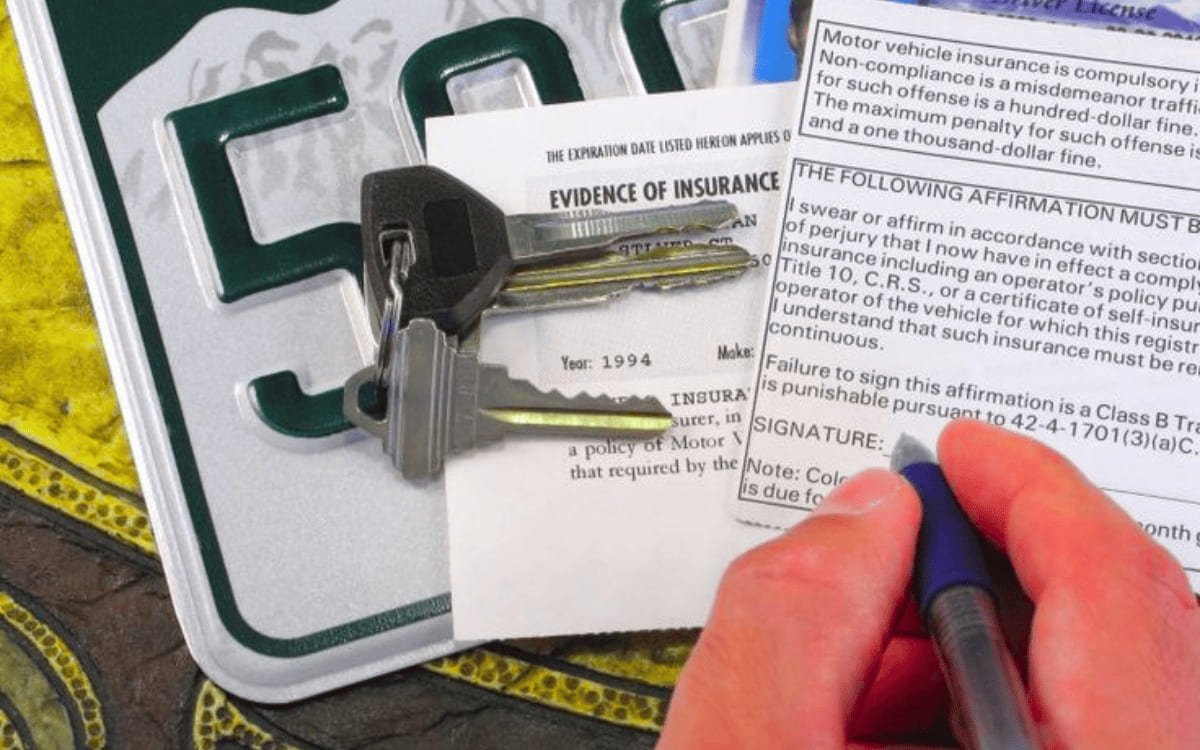
This is where most Box Truck businesses die before they even start. Insurance for a new authority in 2026 is brutal. You are looking at $12,000 to $22,000 per year per truck.
How to lower the bill (The Expert Way):
- The $1,000,000 Rule: Most brokers won’t even look at your profile if you don’t have $1M in Auto Liability and at least $100k in Cargo Insurance. Going «cheap» on coverage makes you invisible to the best-paying loads.
- Safety Tech is Mandatory: Install a dual-facing dashcam (Motive, Samsara, or Netradyne) on day one. Show the insurance company you are serious about safety, and you can often negotiate a 5-10% discount on your premium.
- Garage Location: Where you park the truck matters. Parking in a high-crime zip code in Chicago or Atlanta will cost you 20% more than a secure lot in the suburbs.
4. Where the Money Is: Finding High-Paying Loads in 2026
Stop thinking only about Amazon Relay. While Relay is «easy,» the rates in 2026 have become a «race to the bottom.» To keep the Pulse of your business strong, you need a multi-channel approach.
A. Expedited Freight (The Gold Mine)
Companies like Sylectus or specialized «Expedite» boards pay more because the cargo is urgent. You might haul a 50lb engine part for a factory that is shut down. They don’t care about the weight; they care about the time. These loads can pay $3.00 to $5.00 per mile.
B. Final Mile & White Glove
Delivery and installation of high-end appliances or medical equipment. This requires two people and a liftgate, but the margins are double what you get hauling general freight.
C. The Big Three Load Boards
- DAT One: The king of volume. Best for finding «partial» loads to fill your truck.
- Truckstop.com: Excellent for finding consistent brokers who specialize in LTL (Less Than Truckload).
- Amazon Relay: Use it as a «gap filler.» If you have an empty day, grab a Relay load, but never make it your only source of income.
5. The Hidden Costs: Beyond Fuel and Insurance

One of the biggest mistakes I see new owner-operators make is forgetting the «invisible» expenses. If you only calculate your profit based on (Rate – Fuel), you are going to be out of business in six months.
Maintenance Escrow (The «Rainy Day» Fund)
In 2026, a single fuel injector for a modern Box Truck can cost you $1,500 with labor. I always tell my readers: Set aside $0.15 to $0.20 for every mile you drive. * Tires: A set of six quality tires will run you $2,500 – $3,500.
- DPF/Aftertreatment: Modern emissions systems are sensitive. A «forced regen» or a DPF filter replacement can sideline you for a week and cost $3,000.
Deadhead: The Silent Profit Killer
«Deadhead» is every mile you drive empty. In the Box Truck world, deadheading more than 15-20% of your total miles is a sign of poor dispatching.
Expert Hack: Always look for a «Backhaul.» If you take a load from Chicago to Indianapolis for $800, don’t drive back empty. Even a $350 «partial load» of pallets or tires covers your fuel and puts $200 in your pocket.
6. Financing and Factoring: Keeping the Fuel Tank Full
As we’ve discussed before on FreightPulse360, Cash Flow is your oxygen. In the Box Truck niche, you’ll be doing a lot of short runs. If you have to wait 30 to 60 days for ten different $600 invoices, you’ll be broke before your next insurance payment is due.
My Advice: Get a factoring partner that specializes in small fleets. Use that immediate cash (available in 24 hours) to fund your fuel card and maintenance fund. In 2026, fuel prices are too volatile to play the «I’ll pay it when the broker pays me» game.
7. Dealing with Brokers: Building a Reputation in a Digital World
In 2026, your «Carrier Scorecard» is your resume. Brokers like TQL, Landstar, and J.B. Hunt use AI to track your performance.
- Communication is Currency: If you are going to be 20 minutes late, call the broker before you are late.
- MacroPoint and Tracking: Many high-paying loads require 24/7 GPS tracking via your phone or ELD. Don’t fight it. Accept the tracking; it builds trust and gets you paid faster without annoying «check calls» every hour.
- The «No-Call» List: If you fall off a load without a 24-hour notice, you might get blacklisted. In a tight market, you need every broker on your side.
8. Scaling from 1 to 5 Trucks: The Fleet Manager’s Mindset
Once you’ve mastered the first truck, you’ll be tempted to buy a second. Wait. Scaling isn’t just about buying more metal; it’s about managing people.
My Hiring Rule: Never hire a driver based on a 10-minute interview.
- Check their MVR (Motor Vehicle Record) for at least the last 3 years.
- Do a drug test (even if not federally mandated for non-CDL).
- Do a «test drive» with them. Watch how they back into a dock and how they treat the equipment. A bad driver can rack up $10,000 in fines and «preventable» accidents in a single month.
9. IFTA and Taxes: The Boring Stuff That Saves You Thousands
Even if you don’t need a CDL, if your truck’s GVWR is over 26,000 lbs (or has 3 axles), you must deal with IFTA (International Fuel Tax Agreement).
Even for smaller trucks, keeping meticulous records is vital for tax deductions:
- Meal Deductions: Know the per-diem rates for 2026.
- Depreciation: Talk to a CPA about «Section 179» to deduct the cost of your truck in the first year.
- Fuel Receipts: Digital copies are better than paper. Paper fades; digital stays forever.
10. The 2026 Tech Stack: Running Your Business Like a Pro
You are not just a driver; you are a mobile logistics hub. To stay profitable, you need:
- A Reliable ELD: Even if you stay within the 150-air-mile radius exemption, having an ELD makes you look professional and helps you track your real «Hours of Service» for efficiency.
- TMS (Trucking Management Software): Stop using Excel. Use a simple TMS to track your profit-per-mile in real-time.
- AI Route Planning: Use apps that avoid low bridges (critical for box trucks!) and find the cheapest fuel stops along your route.
Final Verdict: Is a Box Truck Business Worth it in 2026?
The Box Truck business is a marathon, not a sprint. If you go in thinking you’ll make $15k a week profit with one truck, you’ve been watching too many «gurus» on YouTube.
However, if you can manage your overhead, keep your insurance clean, and build relationships with direct shippers, you can net a consistent $2,500 – $4,000 a month in pure profit per truck after all expenses.
My parting tip: Don’t be «just another trucker.» Be a logistics partner. Communicate, be on time, and keep your equipment clean. In 2026, your reputation is the only thing that travels faster than your truck.
Featured post
We are dedicated to providing you with all the information you need to move forward