
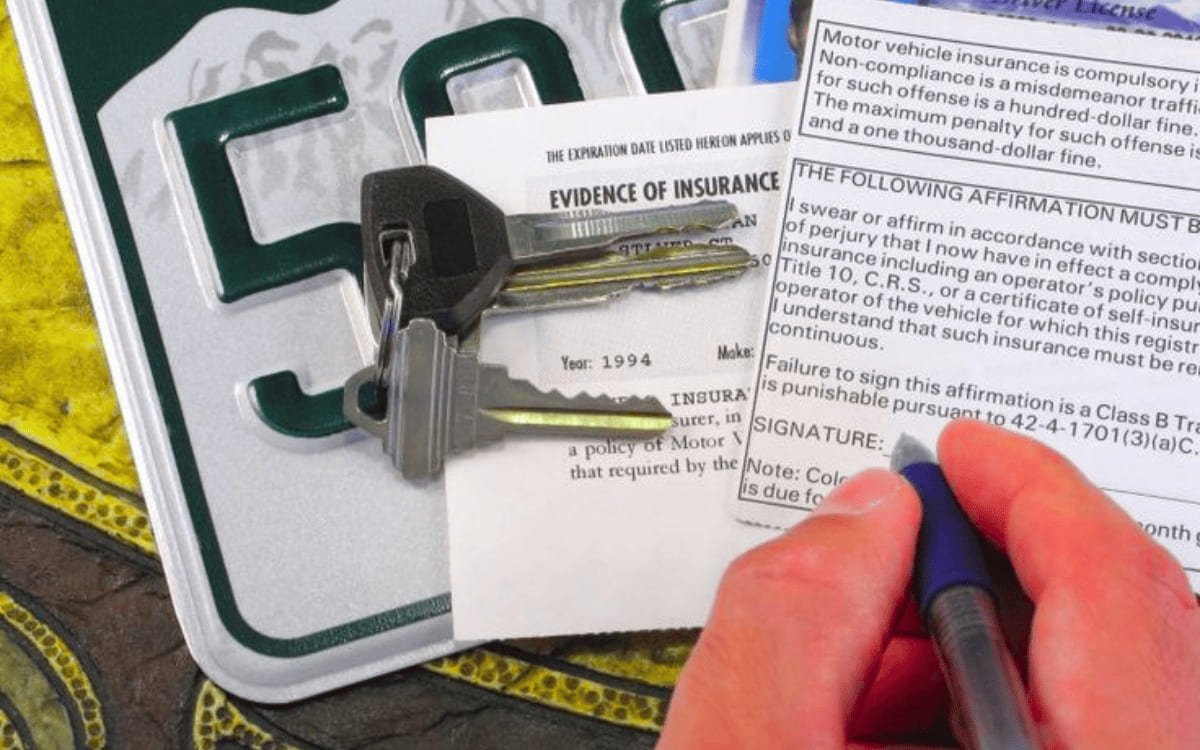
The roadside inspection is the «final exam» for every commercial driver. In 2026, the Federal Motor Carrier Safety Administration (FMCSA) has integrated more biometric and electronic data into their enforcement protocols. A Level I DOT Inspection 2026 is the most rigorous of the six levels of inspection, and failing it doesn’t just mean a fine—it can mean a permanent stain on your CSA (Compliance, Safety, Accountability) score and your carrier’s «Pulse» rating.
If you are operating a box truck, whether it is a Class 6 or a Class 7, you are a target for these inspections. This 2026 guide is designed to provide you with the technical depth and professional checklists required to clear a Level I DOT Inspection 2026 with a «Clean Inspection» certificate, which can actually lower your future insurance premiums.
The Anatomy of a Level I Inspection
Unlike Level II (Walk-around) or Level III (Driver/Credentials only), a Level I DOT Inspection 2026 involves a full examination of the vehicle’s underside. The inspector is looking for structural fatigue, air system integrity, and steering geometry.
The Inspection Sequence:
- Initial Greeting and Document Check: This is where you set the tone.
- ELD Data Transfer: The digital handshake between your truck and the DOT.
- External Light and Signal Test: A quick way to find «Probable Cause.»
- Under-the-Hood Inspection: Checking for fluid leaks and belt tension.
- Under-the-Chassis Inspection: The «Creepers and Pits» phase where most OOS violations occur.
Technical Breakdown: The «Big Three» Failure Points
According to the 2025-2026 CVSA Roadcheck data, three areas account for nearly 60% of all vehicle out-of-service orders during a Level I DOT Inspection 2026.
A. Braking Systems and Air Integrity
Brakes are the inspector’s highest priority. In 2026, many box trucks are equipped with air disc brakes, but the majority of the fleet still runs on S-cam drum systems.
- Push-rod Stroke: If the push-rod travel on a Type 30 brake chamber exceeds 2 inches, you are in violation.
- Air Leak Rate: With the engine off and brakes applied, you cannot lose more than 3 psi per minute in a single unit (box truck).
- Brake Linings: Linings must be at least 1/4 inch thick for air brakes. If there is oil or grease on the drum, it is an automatic OOS.
Have you heard about electronic medical certificates? Let me tell you about them.
B. Tires and Wheel Assemblies
During a Level I DOT Inspection 2026, the inspector will use a depth gauge. Don’t eyeball your tires; use a tool.
- Steer Tires: No regrooved tires, no bubbles, and no exposed cord. The 4/32 inch rule is absolute.
- Mismatched Tires: On your rear duals, the tires must be within 1/4 inch of each other in diameter. Mismatched tires cause uneven heat buildup and blowouts.
C. Lights and Reflective Conspicuity
It seems simple, but a burnt-out license plate light is the #1 reason drivers are pulled over for a Level I DOT Inspection 2026.
- The 2026 Rule: All lamps must be «functional.» If you have a light housing on the truck, it must light up, even if it is a «decorative» extra light.
Financial Impact: The Cost of Failing
To make this guide practical, let’s look at the financial «Pulse» of a failed Level I DOT Inspection 2026.
Table 1: Common Violation Fines and CSA Point Impact (Estimated 2026)
| Violation Category | Average Fine (USD) | CSA Severity Points | Out-of-Service (OOS)? |
| Brake Out of Adjustment | $350 – $600 | 4 Points | Yes (if >20% of brakes) |
| Flat Tire / Exposed Cord | $250 – $500 | 8 Points | Yes |
| ELD Records Not Current | $1,200+ | 5 Points | Yes (10-hour shutdown) |
| Inoperative Turn Signal | $150 – $300 | 6 Points | No |
| Medical Cert Expired | $500 – $800 | 10 Points | Yes |
Note: Points are tripled if the violation occurred within the last 6 months.
The 2026 ELD and Technology Protocol
One of the newest parts of the Level I DOT Inspection 2026 is the «Cyber-Compliance» check. The inspector will check if your ELD is registered on the FMCSA website.
- Malfunction Codes: If your ELD shows a «Power Compliance» or «Engine Synchronization» malfunction for more than 8 days without a paper log backup, you will be shut down.
- Unassigned Driving Time: Inspectors now look at the «Unassigned Mileage» report. If they see 50 miles of driving without a driver logged in, they will assume you are hiding «On-Duty» time.
Step-by-Step: The Professional Pre-Trip Checklist

To ensure you pass every Level I DOT Inspection 2026, your pre-trip must be a 15-minute ritual, not a 2-minute «kick the tires» session.
The «Under the Box» Audit:
- Suspension: Look for cracked leaf springs. If 1/4 or more of the leaves in a single assembly are broken, you are OOS.
- Driveline: Check the U-joints. Any visible «play» or missing bolts will fail a Level I DOT Inspection 2026.
- Fuel Tanks: Check the straps and the cap. A leaking fuel cap is a hazardous materials violation.
The Cab Environment:
- Fire Extinguisher: Is it charged? Is it secured? Is it 5 B:C rated or higher?
- Warning Triangles: You must have 3 bi-directional reflective triangles.
- Windshield: A crack larger than 3/4 of an inch in the «wiper sweep» area is a failure.
How to Handle the Inspector (The «Soft Skills» of Trucking)
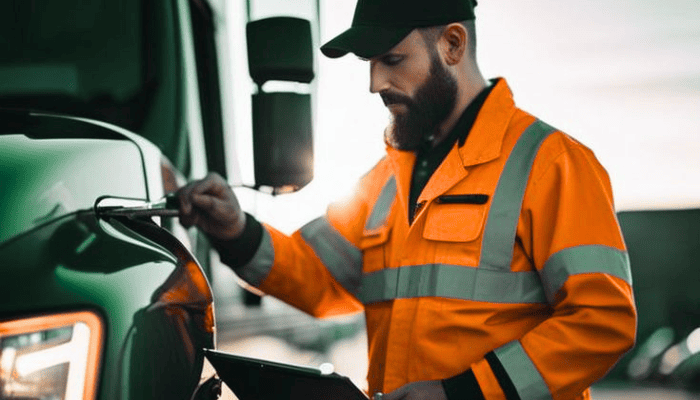
Human psychology plays a massive role in a Level I DOT Inspection 2026. An inspector who respects you is less likely to dig for «hidden» violations.
- Organization: Have your registration, insurance, and IFTA stickers organized in a single folder. If you take 10 minutes to find your insurance card, the inspector will assume your truck is also disorganized.
- The «Clean Truck» Theory: A washed truck is harder to inspect. Grease and oil leaks are much more visible on a dirty chassis. Keeping your truck clean is the best way to hide (or prevent) minor «weeping» leaks.
The Post-Inspection: What Happens Next?
If you pass your Level I DOT Inspection 2026, you will receive a CVSA Decal.
- The Reward: A CVSA decal is valid for 3 months. Usually, other inspectors will see this sticker and choose not to inspect you again during that period, saving you hours of time.
- If you fail: You will receive an inspection report. You have 15 days to repair the violations and mail the «Certification of Repair» back to the state agency.
Summary: Keeping Your Fleet Pulse Strong
Passing a Level I DOT Inspection 2026 is about building a culture of maintenance. Don’t wait for the weigh station to find your problems. Use this guide as your standard operating procedure.
At FreightPulse360, we believe that a safe truck is a profitable truck. By mastering the Level I DOT Inspection 2026, you protect your career, your cargo, and the lives of everyone on the road.
Last post
 junio 4, 2026
Box Truck vs Semi Truck Business: Which Is More Profitable?
You are standing at a crossroads that every logistics entrepreneur eventually hits. You have some capital, you have your business licenses ready, and you areRead more mayo 30, 2026
Best TMS Software for Trucking and Logistics Companies
Ask any fleet manager or owner-operator what keeps them awake at night, and they won’t just say fuel costs or broker negotiations. They will tellRead more- mayo 30, 2026
Building a Private Trucking Terminal: Property, Layout, and Asset Protection
As your fleet scales past five assets, renting random commercial parking spaces or letting drivers park 80,000-pound combinations at residential properties becomes a major liability.Read more

1 comentario en «How to Pass a Level I DOT Inspection in 2026: The Ultimate Driver’s Checklist»