

The logistics landscape in 2026 is no longer just about moving goods from point A to point B; it is a battle of margins fought in the digital and physical realms. As supply chains become more automated, a paradox has emerged: while efficiency is up, have reached an all-time high. For CFOs and Supply Chain Directors, the challenge is no longer the «base rate» negotiated in January, but the myriad of surcharges that appear on invoices in December.
In this deep-dive guide, we will analyze the structural inefficiencies and «invisible» fees that constitute these hidden freight costs, and more importantly, we will provide a 2026-ready blueprint to eliminate them.
The Macro-Economic Origin of Hidden Freight Costs in 2026
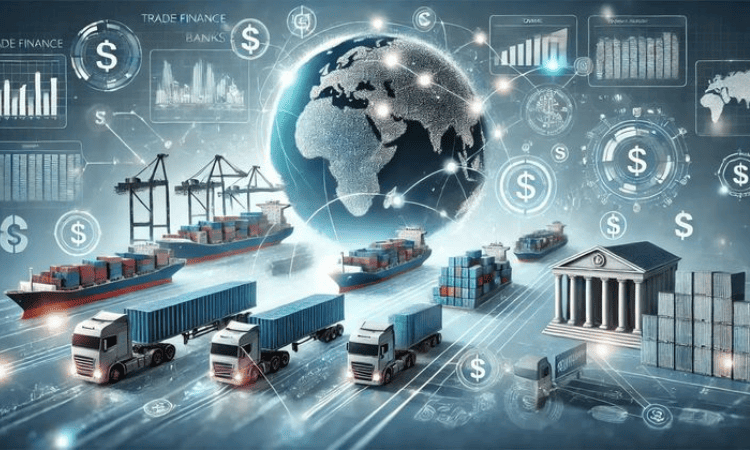
To understand why your budget is bleeding, we must look at the current market. In 2026, the industry has shifted toward «Dynamic Capacity Pricing.» This means that rates can fluctuate not just daily, but hourly. Within this volatility, hidden freight costs thrive. Carriers often hide margin recoveries within complex accessorial structures, betting that most logistics teams lack the granular data to dispute them.
The Inflation of «Administrative» Fees
We are seeing a trend where carriers apply «processing fees» for digital documentation. While these may seem like small amounts ($25 to $50 per shipment), across a global supply chain, these hidden freight costs can scale into the hundreds of thousands of dollars annually.
Accessorial Surcharges: The 2026 «Price List»
Accessorials are the most common form of hidden freight costs. In 2026, these have been redefined by precision.
Detention and Demurrage: The Clock is Ticking
With the widespread adoption of IoT sensors in trailers, carriers now know exactly when a truck enters and leaves your geofence. Hidden freight costs often arise from «micro-detention»—charges for exceeding loading times by as little as 15 minutes.
- Recommendation: Implement a «Fast-Track Dock» protocol using AI-scheduling to ensure trucks are in and out within the allocated window, effectively killing these hidden freight costs.
Liftgate and Limited Access Fees
Are you shipping to a construction site? A school? A small boutique? If the carrier hasn’t been notified of the destination’s specific requirements, they will apply a «Limited Access» fee. These are 100% preventable through better master data management at the point of order entry.
Dimensional Weight (DIM): The Silent Profit Killer
The year 2026 marks the «Death of the Pallet» for many LTL (Less-than-Truckload) carriers who are moving toward 100% volumetric pricing. If your packaging is not optimized, you are paying for the transport of air—one of the most significant hidden freight costs in modern logistics.
The Math of Inefficiency
Imagine you ship a product that weighs 5kg but occupies a box meant for 15kg. Under 2026 carrier rules, you are billed for 15kg. This 200% discrepancy is a «hidden» cost because it doesn’t appear as a penalty on the invoice; it is simply baked into a higher rate. To mitigate these hidden freight costs, companies are now using 3D-scanning at the packing station to ensure every box is «right-sized.»
Logistics in 2026: Why «Efficiency» is Killing Your Supply Chain
Operational Leakage: Where Strategy Fails Execution
Sometimes, they are self-inflicted wounds. These occur when there is a disconnect between the procurement team (who signs the contracts) and the warehouse team (who ships the goods).
Misclassification of Freight (NMFC Codes)
In 2026, automated «dimensioners» at carrier terminals are more accurate than ever. If you classify your freight as Class 70 but the machine determines it is Class 125, you will be hit with a «re-class» fee plus the rate difference. These hidden freight costs often include an «audit fee» just for the carrier having to fix your mistake.
The «Residential» Surprise
With the explosion of hybrid B2B/B2C models, many shipments intended for «home offices» are flagged by carriers as residential deliveries. The surcharge for residential delivery in 2026 can be up to 40% higher than commercial, representing a massive source of hidden freight costs for unsuspecting shippers.
Cargo Broker vs Freight Forwarder: Key Differences You Should Know
Advanced Auditing: The Only Way to Eliminate Hidden Freight Costs

You cannot manage what you do not measure. In 2026, manual freight bill auditing is a liability.
AI-Driven Invoice Reconciliation
Modern Logistics Service Providers (LSPs) now offer AI tools that scan every line of every invoice. These systems look for:
- Duplicate Billings: Paying twice for the same tracking number.
- Contractual Deviations: Charging a fuel surcharge higher than the weekly DOE index.
- Service Failures: If a «Guaranteed Delivery» arrives late, you are entitled to a refund.
Sustainable Logistics: A New Frontier for Costs
In 2026, «Green Freight» is no longer optional. Governments have introduced carbon taxes on heavy transport.
Top Mistakes to Avoid When Hiring a Cargo Broker for International Shipping
Carbon Levies as Hidden Costs
Many carriers are passing «Carbon Compliance Fees» directly to the shipper. If your contract doesn’t explicitly cap these fees, they become another layer. To eliminate them, consider shifting high-volume lanes to intermodal (rail) or electric vehicle (EV) fleets, which are often exempt from these specific levies.
Recommendations for the Reader (Action Plan 2026)
To effectively reduce your exposure to hidden freight costs, follow this four-step framework:
- Audit Your Master Data: Ensure every SKU has accurate weight and dimensions in your ERP system.
- Standardize Your BOLs: Use digital Bill of Ladings to prevent manual entry errors that lead to hidden freight costs.
- Negotiate «Flat-Rate» Accessorials: Instead of variable fees, try to negotiate a «bundled» rate that includes common accessorials.
- Invest in Visibility: Use real-time tracking to anticipate delays and prevent detention fees before they happen.
FAQ: Frequently Asked Questions
Conclusion: Protecting Your Bottom Line
The fight against is a marathon, not a sprint. In 2026, the winners are those who embrace transparency and data. By understanding the granular details of your shipping invoices and holding carriers accountable, you can transform your logistics department from a cost center into a competitive advantage.
Stop letting hidden freight costs drain your budget. Start auditing, start optimizing, and take control of your supply chain today.
2 comentarios en «Hidden Freight Costs That Are Draining Your Logistics Budget (And How to Eliminate Them in 2026)»