

In the complex, fast-moving world of global commerce, small and medium-sized enterprises (SMEs) often find themselves at a crossroads. On one hand, scaling operations requires a robust supply chain; on the other, the sheer complexity of freight rates, carrier vetting, and regulatory compliance can be a full-time job—and a stressful one at that.
For many business owners, the logistics department is often just a desk in the corner of an office, managed by someone wearing five other hats. This is where the cargo broker (or freight broker) steps in. Far from being just a middleman, a cargo broker acts as a strategic partner, leveraging technology and industry relationships to level the playing field between small businesses and global giants.
Understanding the Role of a Cargo Broker in Today’s Market
To understand how a broker simplifies shipping, we first have to look at what they actually do. A cargo broker does not own the trucks, planes, or ships. Instead, they are the licensed intermediaries who connect shippers—the businesses with goods to move—with qualified motor carriers.
For an SME, the «simplicity» comes from having a single point of contact. Instead of calling twenty different trucking companies to find a refrigerated van available for a Tuesday pickup in Chicago, the business owner makes one call to their broker. The broker then utilizes a vast network of pre-vetted carriers to find the right equipment at the right price.
The Bridge Between Capacity and Demand
The logistics industry is notoriously fragmented. There are hundreds of thousands of small «owner-operator» trucking companies that provide excellent service but lack the marketing budget to reach SMEs directly. Cargo brokers aggregate this massive pool of capacity, making it accessible to a small business in Kansas or a startup in Berlin.
Top Mistakes to Avoid When Hiring a Cargo Broker for International Shipping
Breaking Down the Benefits: Why SMEs Need Brokerage

Small businesses face unique hurdles that large corporations don’t. They lack the «volume leverage» to demand rock-bottom prices from major carriers, and they often lack the legal departments to review complex transportation contracts. Here is how brokers solve these specific pain points:
1. Cost Efficiency Through Negotiating Power
Brokers move thousands of shipments a year. Because of this high volume, they have access to discounted rates that an individual SME moving three pallets a week could never secure on their own. They pass these savings onto the business, often making the broker’s service «revenue neutral» or even profitable for the shipper.
2. Time Reclamation
Time is the most valuable resource for an entrepreneur. Spending hours tracking a shipment, resolving a «blown» pickup (when a driver doesn’t show up), or auditing freight bills is a poor use of a CEO’s time. A broker handles the granular «blocking and tackling» of logistics.
3. Risk Mitigation and Carrier Vetting
One of the biggest hidden dangers in shipping is hiring an uninsured or unreliable carrier. A professional broker maintains a database of carriers, checking their:
- DOT Safety Ratings
- Insurance Certificates (Cargo, Auto Liability, and General Liability)
- Operating Authority
- Past Performance History
Comparing Your Options: Broker vs. Asset-Based Carrier vs. 3PL
Navigating the terminology of logistics can be confusing. To help you decide which path is right for your business, consider the following breakdown of service models:
| Feature | Cargo Broker | Asset-Based Carrier | Third-Party Logistics (3PL) |
| Equipment Ownership | No (Uses a network) | Yes (Owns trucks/trailers) | Varies (Often a mix) |
| Flexibility | High (Can find any equipment) | Limited to their own fleet | High (Includes warehousing) |
| Scalability | Excellent for fluctuating volumes | Harder to scale quickly | Best for long-term outsourcing |
| Cost for SMEs | Competitive (Lower overhead) | High for small volumes | Higher (Bundled services) |
| Best For | Spot freight and cost saving | Dedicated, repetitive lanes | Full supply chain management |
Practical Scenarios: Real-World Logistics Solutions

To see the value of a broker, let’s look at two common scenarios SMEs encounter.
Scenario A: The Seasonal Surge
Imagine a boutique furniture manufacturer in North Carolina. For ten months of the year, they ship five pallets a week. However, during the holiday season, their volume triples.
- Without a broker: The owner struggles to find carriers who will prioritize their small account during the busiest time of the year. They end up paying «emergency» rates.
- With a broker: The broker taps into their diversified network, shifting the furniture to a carrier that has «backhaul» needs in that region, keeping the price stable even during peak season.
Scenario B: The «LTL» Headache (Less-Than-Truckload)
A small electronics distributor needs to send ten boxes to a retailer. Shipping these via a standard parcel service is too expensive, but they don’t have enough for a full truck.
- The Broker’s Solution: The broker utilizes LTL (Less-Than-Truckload) consolidation. They combine the distributor’s boxes with freight from other clients onto one truck. The SME only pays for the space they use, significantly lowering the cost per unit.
Navigating the Legal and Regulatory Landscape

International and domestic shipping is governed by a web of regulations—from the Federal Motor Carrier Safety Administration (FMCSA) in the US to customs brokerage requirements for international trade.
For an SME looking to export for the first time, a cargo broker acts as a guide. They ensure that the Bill of Lading (BOL) is filled out correctly, that the Freight Class is accurate (to avoid costly re-weigh fees), and that the carrier is compliant with environmental and safety standards. If a shipment is damaged, the broker assists in the claims process, providing the necessary documentation to ensure the SME is reimbursed.
Strategic Advice: How to Choose the Right Cargo Broker
Not all brokers are created equal. If you are an SME looking to partner with one, keep these three tips in mind:
- Check their Bond and License: In the US, a broker must have a $75,000 surety bond and a valid MC (Motor Carrier) number from the FMCSA. Never work with an unlicensed entity.
- Ask About Technology: Does the broker provide a portal where you can track your shipments in real-time? Visibility is crucial for managing customer expectations.
- Specialization Matters: Some brokers specialize in «Flatbed» (construction equipment), while others focus on «Reefer» (temperature-controlled food). Choose a broker that understands the nuances of your specific product.
Technology: The Modern Broker’s Secret Weapon
The image of a broker with a Rolodex and a landline is long gone. Modern cargo brokers use Transportation Management Systems (TMS) to provide SMEs with data that was previously only available to Fortune 500 companies.
By using a broker, a small business gains access to:
- Real-time GPS Tracking: Know exactly where your product is at 2:00 AM.
- Data Analytics: Reports that show which shipping lanes are costing you the most and where you can optimize.
- Digital Documentation: No more lost paper receipts; everything is stored in the cloud for easy tax and audit preparation.
Common Myths About Cargo Brokers
Myth 1: «Brokers are more expensive because they add a markup.»
While brokers do take a margin, they often negotiate a carrier rate that is 20-30% lower than what a small business could get directly. Even after the broker’s fee, the total cost to the shipper is usually lower.
Myth 2: «I lose control of my freight.»
Actually, you gain control. A broker provides a single point of accountability. If a truck breaks down, the broker finds a replacement. If you deal with a carrier directly and their truck breaks down, you are stuck waiting for them to fix it.
Frequently Asked Questions (FAQ)
Still have more questions?
ContactConclusion: Empowering the SME Through Partnership
In the modern economy, logistics is no longer a «back-office» function; it is a competitive advantage. For small and medium-sized businesses, trying to master the intricacies of freight alone is like trying to sail a ship without a compass.
By partnering with a cargo broker, SMEs can leverage massive carrier networks, cutting-edge technology, and expert negotiating power. This partnership simplifies the shipping process, reduces overhead, and—most importantly—allows business owners to stop worrying about the «how» of transportation and focus on the «what»: growing their business and serving their customers.
Whether you are shipping your first pallet or your thousandth, the right broker doesn’t just move your cargo; they move your business forward.
Recent Post
 junio 4, 2026
Box Truck vs Semi Truck Business: Which Is More Profitable?
You are standing at a crossroads that every logistics entrepreneur eventually hits. You have some capital, you have your business licenses ready, and you areRead more mayo 30, 2026
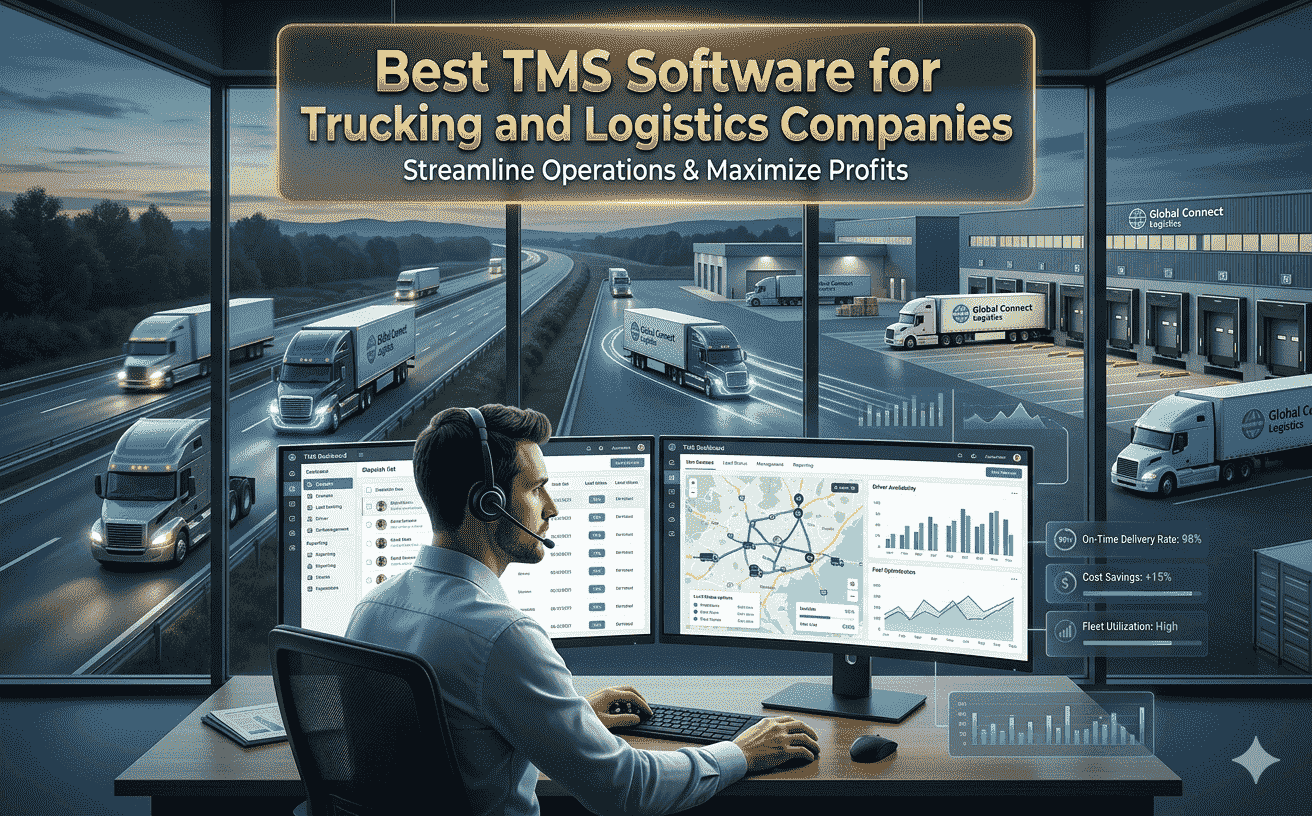
Best TMS Software for Trucking and Logistics Companies
Ask any fleet manager or owner-operator what keeps them awake at night, and they won’t just say fuel costs or broker negotiations. They will tellRead more- mayo 30, 2026
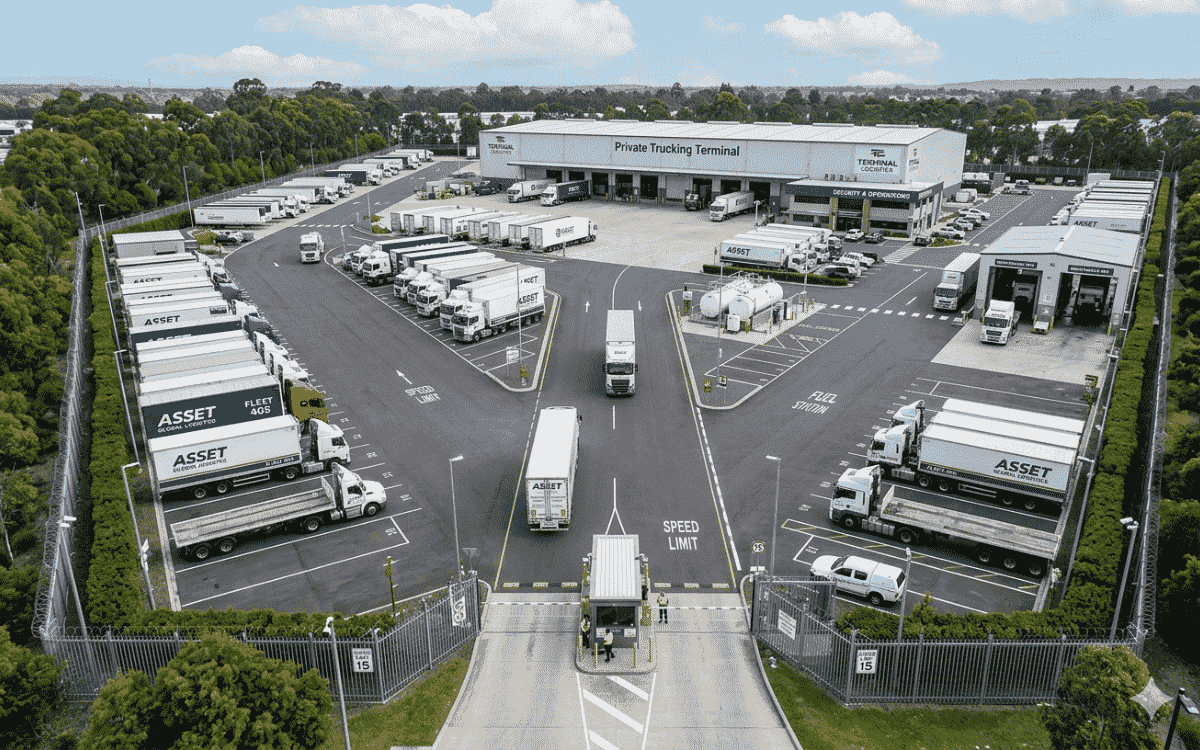
Building a Private Trucking Terminal: Property, Layout, and Asset Protection
As your fleet scales past five assets, renting random commercial parking spaces or letting drivers park 80,000-pound combinations at residential properties becomes a major liability.Read more

2 comentarios en «How Cargo Brokers Simplify Shipping for Small and Medium Businesses»