

In the high-velocity world of 2026 logistics, the term «visibility» has evolved from a buzzword into the bedrock of operational survival. There was a time when knowing the general location of a shipment within a 24-hour window was considered acceptable. Today, that level of uncertainty is no longer viable.
For instance, a logistics provider handling international freight cannot afford to discover delays at a port after they occur. They need to anticipate disruptions—whether caused by customs, weather, or congestion—hours or even days in advance.
Real-time visibility is no longer just a competitive advantage; it is the operational standard. Companies that have implemented advanced tracking and data integration systems report significant improvements, including faster response times and measurable reductions in delivery delays.
In theory, full visibility sounds straightforward. In practice, integrating data across carriers, ports, and last-mile providers remains one of the most complex challenges in the industry.
The Evolution of Visibility: From GPS to Intelligent Telemetry
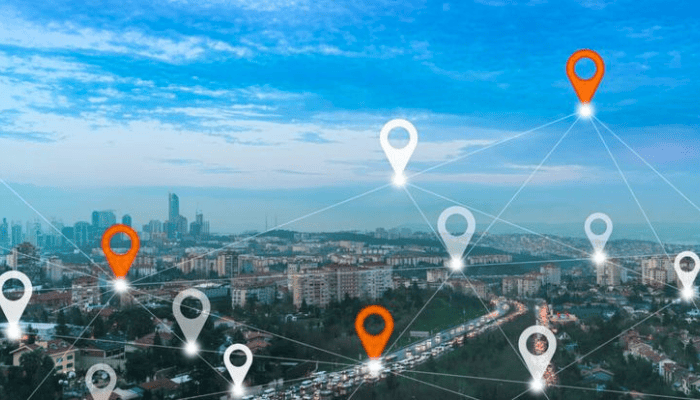
To understand why real-time visibility is the key to modern efficiency, we must look at the depth of data now available. We have moved far beyond basic GPS pings. In 2026, intelligent telemetry provides a multi-dimensional view of every asset in transit.
- Granular Condition Monitoring: For industries dealing with perishables or sensitive electronics, visibility now includes real-time updates on temperature, humidity, light exposure, and even tilt. If a cold-chain container deviates by even half a degree, the system triggers an immediate alert, allowing for intervention before the cargo is compromised.
- Geofencing and Automated Milestones: Advanced systems use geofencing to trigger automated status updates. When a truck enters a specific radius of a distribution center, the warehouse management system (WMS) is notified, dock doors are assigned, and labor is staged—all without a single manual phone call.
Driving Operational Efficiency Through Proactive Management
The primary enemy of efficiency is the «exception»—the breakdown, the weather delay, or the port congestion. Without real-time visibility, these exceptions turn into expensive crises. With it, they become manageable variables.
When managers have access to live data, they move from reactive «firefighting» to proactive management. If a shipment is delayed at a border crossing, a visible supply chain allows the manufacturer to slow down production lines or shift inventory from another location to prevent a stockout. This agility reduces the need for «safety stock,» which in turn lowers carrying costs and frees up working capital. Efficiency, in this sense, is the direct result of having the confidence to operate with leaner inventories because you trust the data you see.
Enhancing the Customer Experience in the «Now» Economy
In 2026, the customer—whether a B2B partner or a B2C consumer—demands total transparency. The «Amazon Effect» has permeated every sector. Providing real-time visibility is now a core component of the value proposition.
Customers no longer want an «estimated delivery date»; they want to see the progress of their order in real-time. By providing self-service tracking portals fed by live data, companies drastically reduce the burden on their customer service teams. This transparency builds trust and loyalty, turning the supply chain from a back-office function into a powerful marketing tool. In an era where products are often commoditized, the quality of the delivery experience—powered by visibility—is the true differentiator.
The Role of AI and Predictive Analytics

Visibility provides the data, but Artificial Intelligence (AI) provides the insight. A real-time visibility strategy in 2026 is inextricably linked to predictive analytics. By analyzing live data against historical patterns, AI can predict delays before they happen.
For example, if the system detects a slowdown in a specific rail corridor, it can automatically suggest rerouting a shipment via air or road to meet a critical deadline. This «prescriptive» visibility doesn’t just show you where the problem is; it tells you how to fix it. This level of automation is what allows modern supply chains to scale without a linear increase in administrative headcount, driving massive internal efficiencies.
Overcoming the «Data Silo» Challenge
The biggest hurdle to achieving total visibility is the fragmentation of data. Information often resides in silos—the carrier has the location data, the warehouse has the inventory data, and the customs broker has the regulatory data.
To make real-time visibility the key to your operations, you must invest in an integrated platform that utilizes open APIs. In 2026, the most efficient supply chains are those that have built a «Digital Thread,» where data flows uninterrupted across different software environments. This interoperability ensures that when a ship is delayed in the Suez Canal, the salesperson in Chicago knows immediately how it affects their client’s order.
Sustainability and the Visible Supply Chain
Visibility also plays a critical role in the «Green Logistics» movement. You cannot manage what you cannot measure. By having real-time visibility into fuel consumption, idling times, and route efficiency, companies can significantly reduce their carbon footprint.
Smart systems optimize routes to eliminate «deadhead» miles (empty trucks) and ensure that every vehicle is running at peak efficiency. In 2026, this isn’t just about ethics—it’s about compliance. With increasing carbon taxes and environmental reporting requirements, having a visible, measurable supply chain is the only way to prove your sustainability credentials to regulators and stakeholders.
Conclusion: Visibility as a Competitive Moat
As we look toward the future, the complexity of global trade will only increase. The companies that thrive will be those that have mastered the art of seeing through the noise. Real-time visibility provides the clarity needed to navigate chaos, the data needed to drive efficiency, and the transparency needed to win customer hearts.
It is time to move past the era of «we think it’s on time» and into the era of «we know it’s on time.» By placing visibility at the center of your supply chain strategy, you turn a logistical necessity into a powerful competitive moat. The key to efficiency is right in front of you—you just have to be able to see it.
Recent post
Enjoy all our latest content
 junio 4, 2026
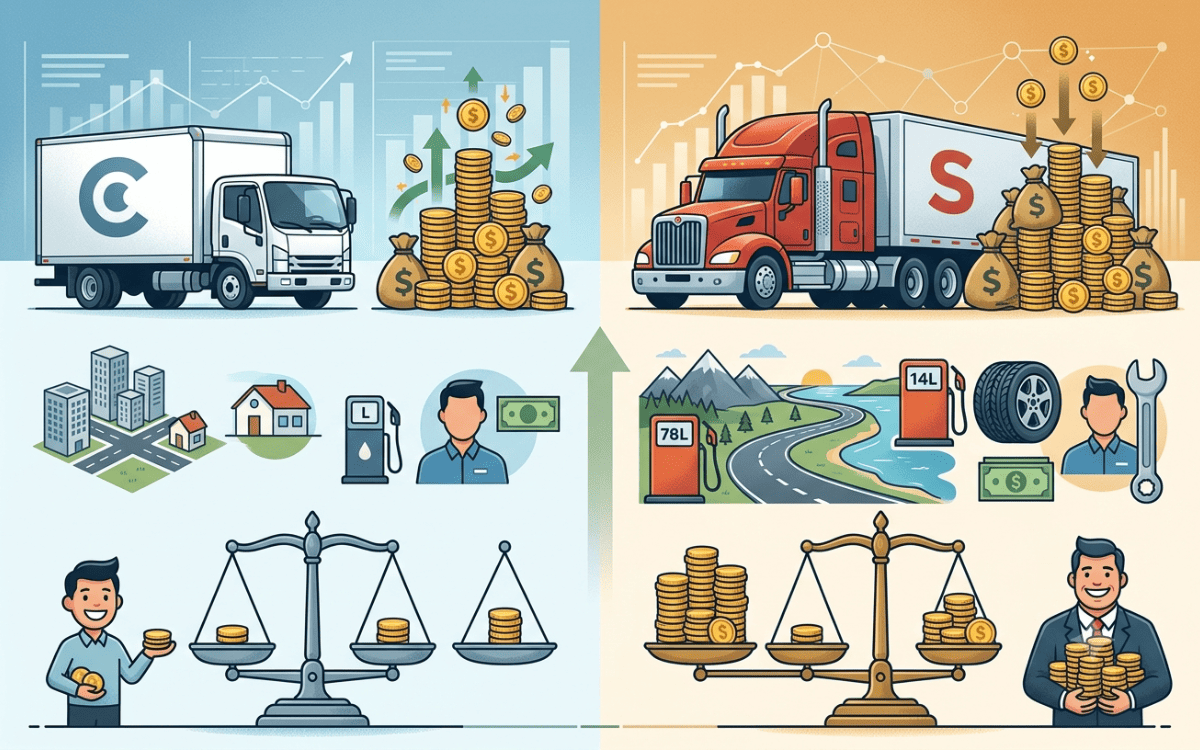
Box Truck vs Semi Truck Business: Which Is More Profitable?
You are standing at a crossroads that every logistics entrepreneur eventually hits. You have some capital, you have your business licenses ready, and you areRead more mayo 30, 2026
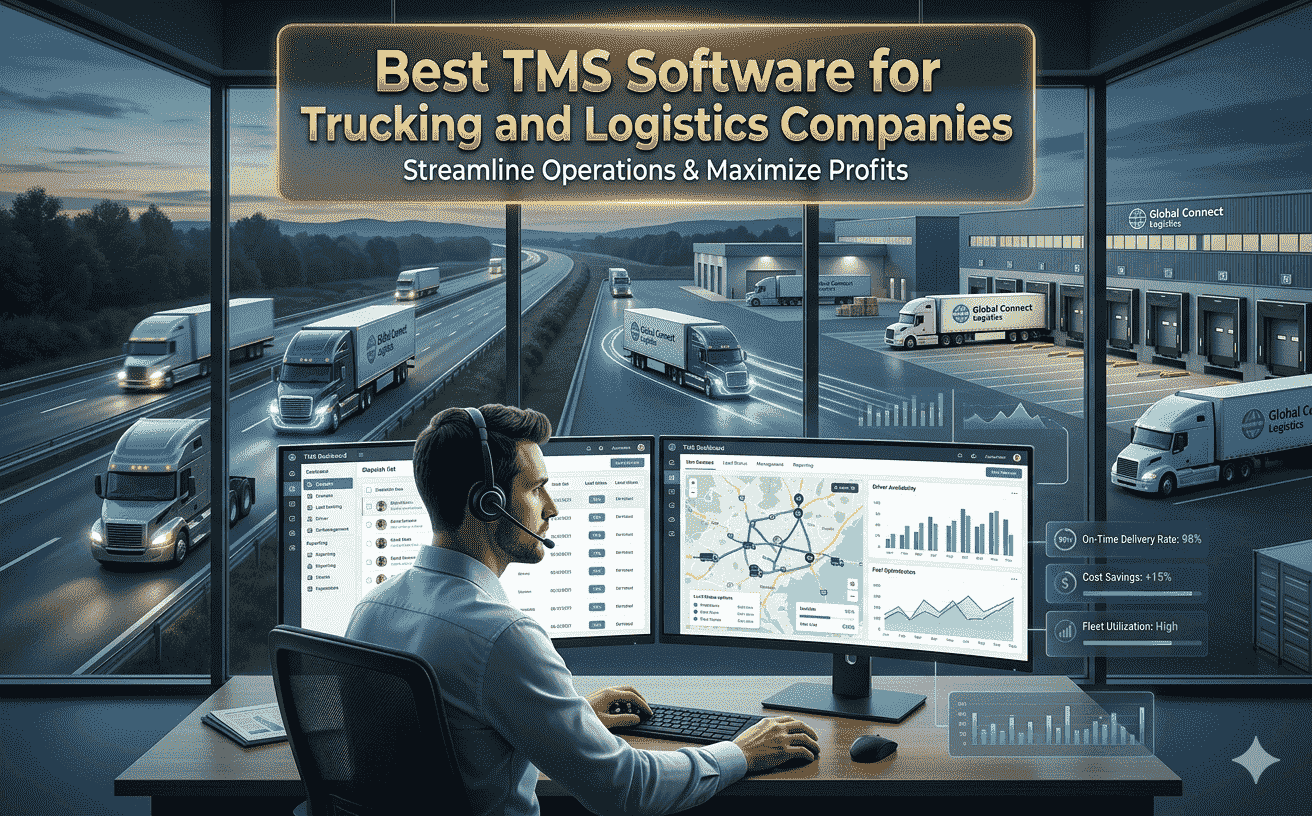
Best TMS Software for Trucking and Logistics Companies
Ask any fleet manager or owner-operator what keeps them awake at night, and they won’t just say fuel costs or broker negotiations. They will tellRead more- mayo 30, 2026
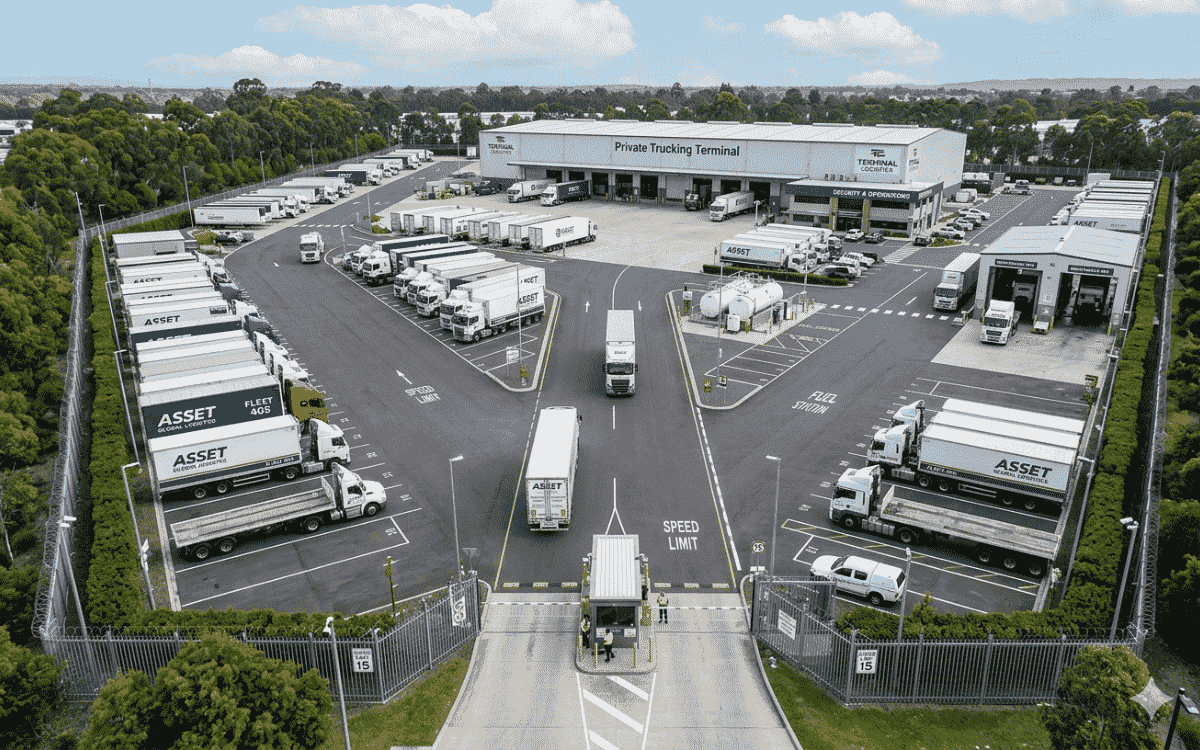
Building a Private Trucking Terminal: Property, Layout, and Asset Protection
As your fleet scales past five assets, renting random commercial parking spaces or letting drivers park 80,000-pound combinations at residential properties becomes a major liability.Read more
1 comentario en «Real-Time Visibility: The Key to Efficient Supply Chain Operations»