
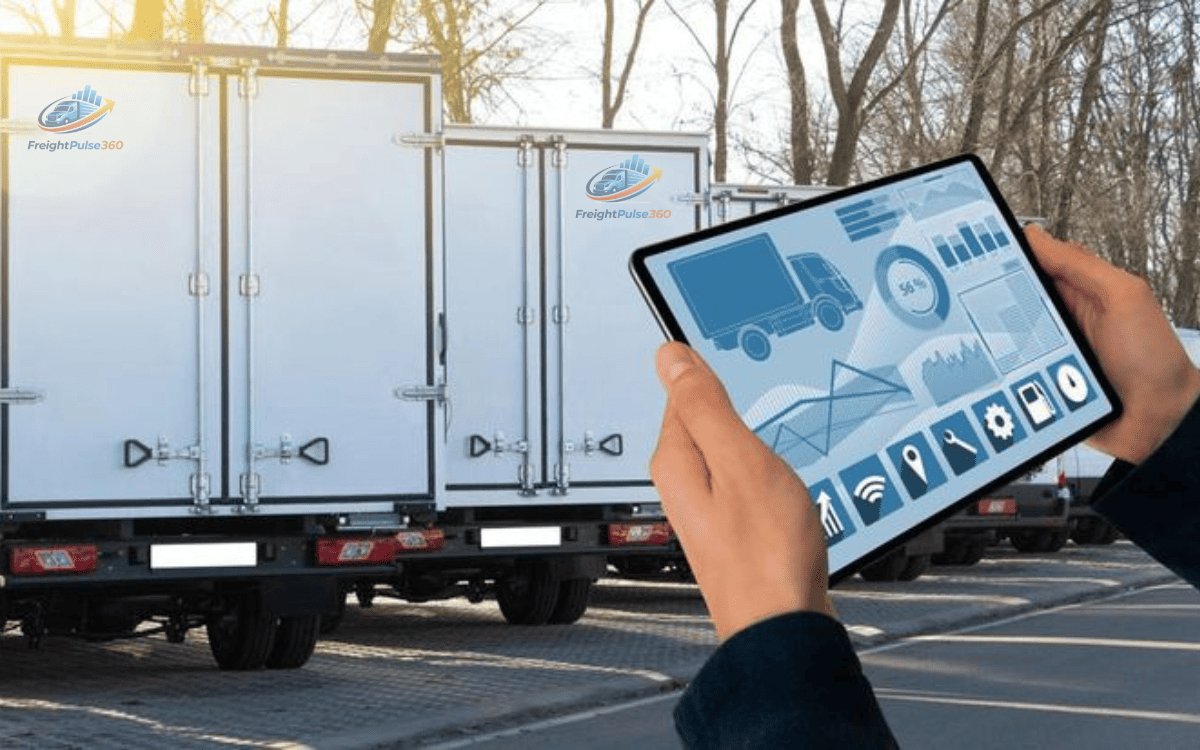
The global shipping industry has historically operated in a state of «controlled chaos.» For decades, the movement of goods was governed by a fragmented web of spreadsheets, frantic phone calls, and manual data entry. In this legacy environment, visibility was a luxury, and efficiency was often a matter of luck rather than design. However, as we navigate the complexities of 2026, the margin for error has vanished. Global supply chains have become more volatile, customer expectations for instantaneous delivery have hit an all-time high, and environmental regulations have added a new layer of operational pressure. In this high-stakes landscape, the transition toward a smarter freight management system is no longer an optional digital upgrade—it is a fundamental requirement for business survival and dominance.
Building a smarter system is not about simply adding a new layer of software over old, broken processes. It is about a structural reimagining of how data flows through the supply chain. It involves shifting the organizational mindset from a reactive posture—fixing problems after they occur—to a proactive, predictive model where technology anticipates disruptions and optimizes resources in real-time. This guide explores the technical architecture, strategic implementation, and human-centric design required to build a freight management system that turns logistical chaos into competitive control.
The Architecture of Intelligence: Beyond Basic Digitization
In the early days of logistics software, a Freight Management System (FMS) was little more than a digital filing cabinet for bills of lading and carrier contacts. A smarter freight management system in 2026 functions as a living, breathing digital nervous system. It integrates disparate data streams from Electronic Logging Devices (ELDs), warehouse management systems (WMS), port authority APIs, and weather telemetry into a unified «single source of truth.»
The core of this intelligence is the ability to achieve «Hyper-Visibility.» It is no longer enough to know where a truck is on a map. A smart system understands the context of that location. It knows that while a truck is technically on schedule, an emerging labor strike at a destination port or a sudden spike in fuel prices at a specific border crossing requires an immediate strategic shift. This level of granular control is what separates modern leaders from legacy laggards.
Real-Time Telemetry and the Internet of Things (IoT)
At the foundation of any smarter freight management system lies the hardware that feeds it. In 2026, IoT sensors have evolved beyond simple GPS tracking. We are now utilizing multi-modal sensors that provide a comprehensive «health report» for every shipment.
- Environmental Monitoring: For high-value cold chain logistics, such as biologics or specialty food products, sensors now monitor temperature, humidity, and light exposure with millisecond precision. A smart FMS doesn’t just record this data; it acts on it. If a refrigeration unit shows signs of failing, the system can automatically reroute the driver to the nearest maintenance facility or alert a secondary carrier to perform a cross-dock recovery before the product is spoiled.
- Shock and Integrity Sensors: For industrial machinery or delicate electronics, accelerometers detect excessive G-forces or tilt. This data is instantly timestamped and geofenced, allowing managers to identify exactly where in the journey damage occurred, drastically simplifying the insurance claims process and holding carriers accountable.
Artificial Intelligence and Predictive Route Optimization
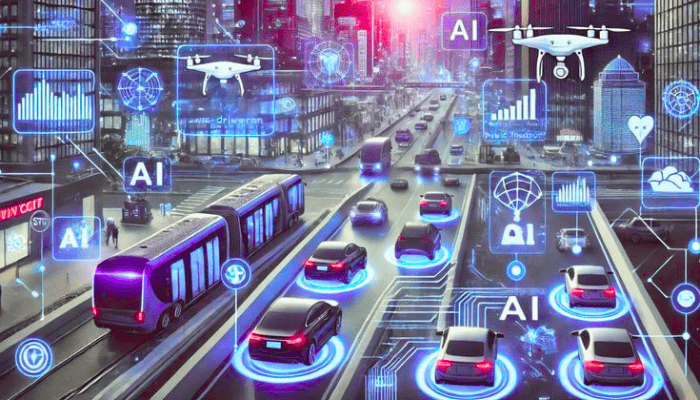
If IoT is the eyes of the system, Artificial Intelligence (AI) is the brain. Traditional route planning was a linear process based on the shortest distance. A smarter freight management system uses «Dynamic Multi-Variable Optimization.»
In 2026, AI algorithms process millions of scenarios simultaneously. The system evaluates the real-time cost of diesel versus electricity for hybrid fleets, the current «Hours of Service» (HOS) status of the driver, and even the historical dwell times of specific loading docks.
For example, if the system recognizes that a specific distribution center typically experiences a two-hour delay on Tuesday afternoons, it will automatically adjust the dispatch time or suggest a different delivery window. This prevents «detention time» charges—one of the most significant «hidden» costs in freight—before they ever accrue. By constantly learning from every mile driven, the system evolves, becoming more accurate with every shipment.
Automated Carrier Orchestration and Scoring
The process of selecting a carrier is often where chaos thrives. Manual bidding and negotiation are slow and prone to bias. A smarter freight management system automates the procurement lifecycle through «Algorithmic Matchmaking.»
Instead of a dispatcher spending hours on the phone, the system utilizes a proprietary scoring engine. Carriers are ranked in real-time based on:
- Historical On-Time Performance: Verified through ELD data.
- Safety Ratings: Integrated directly from FMCSA and DOT databases.
- Cost-to-Value Ratio: Not just the lowest price, but the price adjusted for the carrier’s reliability on that specific lane.
When a load is ready, the system offers it to the highest-ranked carriers through a private exchange. If no one accepts within a set timeframe, it expands the search to the broader spot market. This ensures that freight is always moved by the most qualified partner at the most competitive price, with zero human intervention required for the standard «happy path» shipments.
The Digital Thread: Paperless Documentation and Blockchain
Paper is the friction that slows down global trade. A smarter freight management system relies on a 100% digital documentation trail. In 2026, the Electronic Bill of Lading (eBOL) and Electronic Proof of Delivery (ePOD) are the standard.
By utilizing blockchain technology, a smart system creates an immutable record of the «Chain of Custody.» Every time a shipment changes hands—from the manufacturer to the drayage driver, to the rail yard, to the final mile carrier—a digital «handshake» is recorded on the ledger. This eliminates disputes over when or where a package was lost or damaged.
Furthermore, digital documentation enables «Instant Factoring.» As soon as a driver’s smartphone captures a digital signature at the delivery site, the FMS can trigger an automatic payment to the carrier. This improves carrier relationships and ensures a steady flow of capacity in tight markets.
Strategic Resilience through Digital Twins
One of the most advanced features of a smarter freight management system in 2026 is the «Digital Twin» of the supply chain. This is a virtual simulation of the entire logistics network.
Logistics managers can use this twin to run «What If» scenarios.
- What if a major hurricane shuts down the Port of Savannah for ten days?
- What if our primary carrier for the Midwest lane goes bankrupt?
- What if we shift 30% of our volume to rail to meet new carbon tax regulations?
By running these simulations, companies move from «crisis management» to «scenario planning.» They can build a resilient infrastructure that has already «practiced» the solution to a disaster before it happens. This foresight is what transforms a chaotic operation into a controlled, strategic asset.
Addressing the «Hidden Costs»: Detention, Demurrage, and Accessorials
The financial «chaos» of freight management often comes from unexpected fees. Detention and demurrage charges can eat up to 20% of a shipping budget if not managed properly. A smarter freight management system addresses this through «Proactive Alerting.»
The system monitors the «Geofence» around a delivery location. If a truck has been idling at a gate for more than 30 minutes, the FMS sends an automated alert to the warehouse manager and the shipper’s dashboard. It creates a digital paper trail of the delay, allowing the shipper to dispute unfair charges or adjust future scheduling to avoid that specific facility during peak hours. By shedding light on these dark corners of the balance sheet, the system provides a level of financial control that was previously impossible.
Human-Centric Design and the «Management by Exception» Model
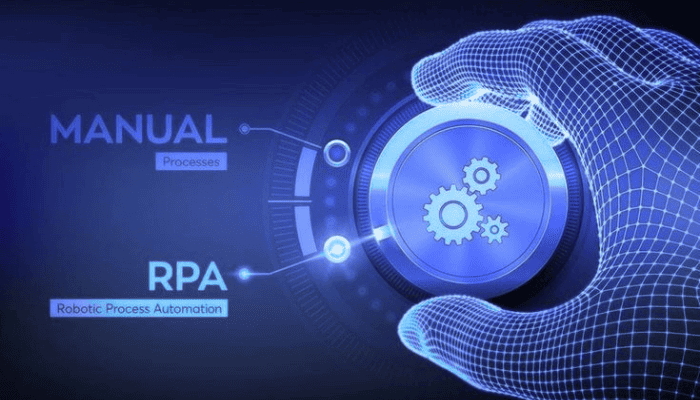
A common misconception is that a smarter freight management system aims to remove humans from the loop. In reality, the goal is «Augmented Intelligence.» The most effective systems are designed with the user in mind, adhering to the principle of «Management by Exception.»
In a chaotic system, a logistics coordinator spends 90% of their time chasing status updates on shipments that are moving perfectly fine. In a smart system, the technology handles the 90% of routine shipments automatically. The human only intervenes when the system flags an «Exception»—a truck that has broken down, a customs delay, or a customer-requested change order.
This refocuses human talent on high-level problem solving and relationship building. It reduces burnout and allows a smaller team to manage a much larger volume of freight, significantly lowering the «cost per load» for the organization.
Tired and don’t know where to sleep? Read this post for our recommendations.
Integration: Breaking the Silos

A smarter freight management system cannot exist in a vacuum. It must be deeply integrated with the rest of the enterprise. In 2026, we utilize «Open API Architectures» that allow the FMS to communicate fluently with:
- ERP Systems (SAP, Oracle, Microsoft Dynamics): To align shipping schedules with production and sales orders.
- WMS (Warehouse Management Systems): To synchronize dock door availability with truck arrivals.
- CRM (Customer Relationship Management): To provide customers with real-time tracking links, reducing the burden on customer service teams.
Without this integration, the FMS is just another silo, and silos are where chaos grows. The goal is a seamless flow of data from the initial sales order to the final delivery and payment.
Sustainability and the «Green» ROI
In 2026, carbon reporting is no longer a «nice to have»—it is a legal mandate in many jurisdictions. A smarter freight management system automatically calculates the carbon footprint of every lane and every shipment.
By optimizing routes to reduce empty miles and selecting carriers with modern, fuel-efficient or electric fleets, the system provides a clear path to Net Zero goals. This «Green ROI» is becoming a major factor in attracting investors and securing contracts with environmentally conscious retailers. Intelligence and sustainability are now two sides of the same coin.
Conclusion: The Transition from Uncertainty to Authority
Building a smarter freight management system is a journey of maturity. It starts with digitizing the basics, moves into real-time visibility, and culminates in AI-driven predictive control. The transition is not without its challenges—requiring investments in cybersecurity, data hygiene, and staff training—but the cost of inaction is far higher.
Logistics is the lifeblood of the global economy, but for too long, it has been hampered by opacity and inefficiency. In 2026, we have the tools to change that. By embracing a smarter, more connected, and more predictive approach to freight, businesses can finally move from the chaos of «hoping for the best» to the control of «knowing what’s next.» The future belongs to those who can see through the fog of the supply chain and act with the precision of data. It is time to stop managing chaos and start leading with intelligence.
1 comentario en «From Chaos to Control: Building a Smarter Freight Management System»