
When an asset-based transportation provider scales into a mature enterprise, the ultimate operational evolution is the transition from a regional motor carrier into an integrated multi-modal logistics powerhouse.
Operating exclusively in the over-the-road (OTR) truckload ecosystem limits your corporate growth to a linear trajectory: if you want to generate more revenue, you must purchase more tractors, hire more drivers, and burn more diesel. By decoupling your client contracts from physical truck limitations and integrating rail intermodal, maritime container frameworks, and inland port drayage, you transform your company into an agile supply chain architect.
1. The Intermodal Architecture: Over-the-Road vs. Rail Elasticity
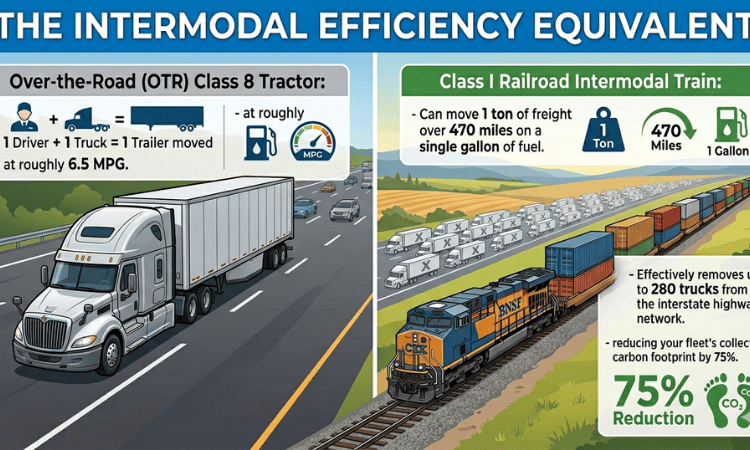
The core of multi-modal integration is seamlessly shifting long-haul freight from highways to rail networks. This is not merely an environmental play; it is a structural margin defense strategy during periods of driver shortages and high fuel volatility.
The Cost-Divergence Threshold
Rail intermodal operates most efficiently on long, predictable corridors. As a rule of thumb, intermodal shipping becomes financially superior to OTR dry van transit when a lane exceeds a 750-mile structural distance and does not require guaranteed next-day delivery.
By utilizing your physical assets (tractors and drivers) exclusively for local pickup and final-mile delivery at the rail terminal—a process known as intermodal drayage—you maximize tractor utilization, drop your average cost-per-mile, and allow your drivers to return home at the end of every shift.
2. Navigating the Global Gateway: Maritime and Drayage Operations
Integrating maritime logistics into your asset portfolio requires mastering the highly specialized, high-penalty environment of international ocean container freight.
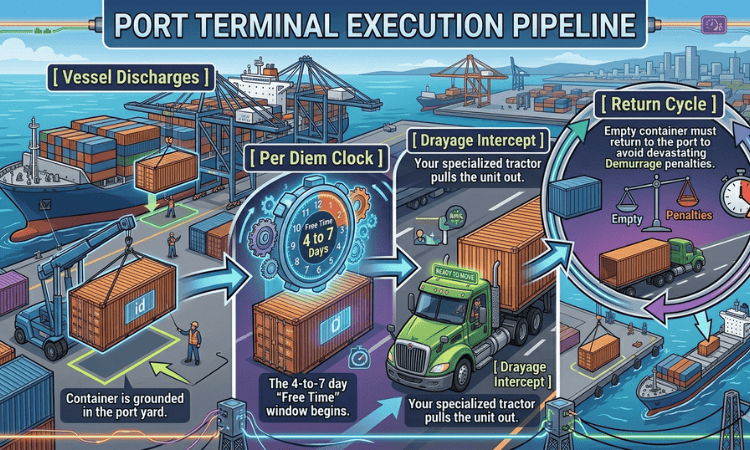
When international cargo ships drop containers at major port facilities, your asset fleet functions as the critical link moving those containers from the port terminal to inland distribution centers.
The Financial Pitfalls of Port Logistics
Unlike standard domestic shipping, port operations feature aggressive, non-negotiable daily penalty structures that can completely erase an amateur carrier’s weekly profit margins within 24 hours:
- Demurrage: A daily penalty assessed by the port terminal facility if a loaded import container sits on the dock past the contractually designated «free time» window (typically 4 to 7 days). Demurrage fees scale aggressively, frequently starting at $150 to $300 per day and compounding daily.
- Detention (Per Diem): A daily fee charged by the ocean liner container company for keeping their equipment (the physical shipping container and the road chassis) outside of the port terminal footprint past the return deadline.
To operate safely in this space, your dispatch console must feature an automated equipment aging matrix that tracks container dwell times in real-time, prioritizing port returns to avoid generating thousands of dollars in unbilled operational leakage.
3. The Digital Thread: Building a Unified Multi-Modal TMS
Managing a multi-modal logistics network using separate, disconnected software systems will inevitably cause tracking failures, missed appointments, and customer churn. Your operations require a unified Transportation Management System (TMS) API integration capable of consolidating multiple supply chain nodes into a single, transparent data feed.
1.Ocean Manifest Intercept via EDI/API:Phase 1.
Your enterprise TMS establishes a direct Electronic Data Interchange (EDI 214) link with the ocean liner. The moment the vessel clears the international gateway, the estimated time of arrival (ETA) updates automatically across your customer portal.
2.Automated Drayage Dispatch Triggering:Phase 2.
As the container is cleared by U.S. Customs and discharged onto the port dock, the system automatically dispatches a local drayage driver via their mobile workflow application, providing them with the mandatory automated gate pass codes.
3.Inland Rail Tendering and Final-Mile Handoff:Phase 3.
The driver drops the container at a Class I rail hub. The TMS switches its tracking source from GPS telematics to automated railcar acoustic sensor arrays, monitoring the unit’s progress across the country until it reaches the final local delivery terminal.
4. The Cross-Dock Engine: Maximizing Velocity and Storage Play
The ultimate physical infrastructure requirement for a multi-modal enterprise is a strategically positioned Cross-Dock Warehouse facility. A cross-dock is not an inventory storage warehouse; it is a high-velocity sorting center designed with docking doors on opposing sides of the building.
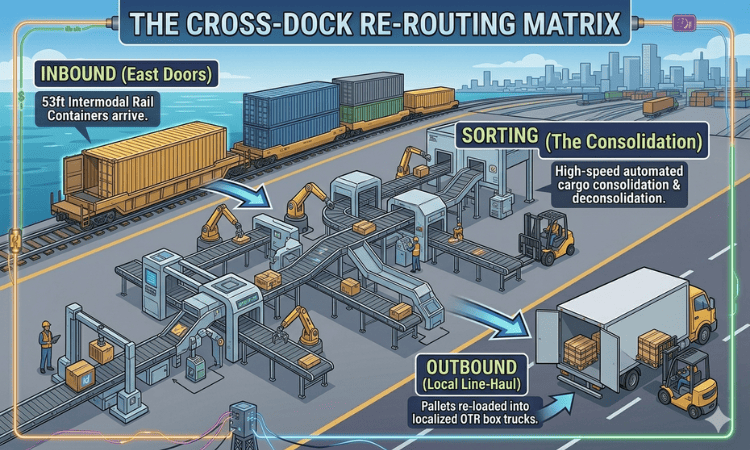
By operating a cross-dock network near major rail hubs or port gateways, your logistics company can ingest bulk international ocean cargo (typically packed tightly in 40-foot containers), sort and palletize the freight immediately, and load it straight into domestic 53-foot dry vans or localized box truck fleets for regional store delivery. This process completely eliminates long-term warehousing overhead, boosts your asset turnover rate, and positions your corporate entity as an indispensable, end-to-end supply chain manager.
Multi-Modal Asset Integration Matrix
| Transportation Mode | Ideal Distance Profile | Core Economic Advantage | Primary Risk Factor |
| Over-the-Road (OTR) Fleet | 0 – 500 Miles | Absolute routing flexibility, highest velocity, precise drop-off windows. | Extreme exposure to driver shortages, high highway congestion, and diesel cost inflation. |
| Rail Intermodal Network | 750+ Miles | Exceptional fuel economy, predictable long-term pricing, immune to highway road closures. | Rigid transit schedules, rail yard congestion, potential cargo shifting damage. |
| Port Drayage Operations | 10 – 150 Mile Radius | Premium line-haul rates, consistent localized volume, stable daily lanes. | Severe regulatory port security compliance, exposure to catastrophic demurrage fees. |
| Cross-Dock Consolidation | Facility-Based Node | Unlocks high-margin sorting revenues, eliminates physical inventory holding risks. | High initial capital footprint, requires intense labor coordination, warehouse liability. |
Frequently Asked Questions
What is the difference between Intermodal and Multimodal shipping?
While both terms involve moving cargo using multiple modes of transport (rail, truck, ocean), Intermodal shipping means the cargo remains inside the exact same structural container throughout the entire trip, meaning the freight itself is never touched or handled during transfers. Multimodal shipping operates under a single, unified contract but allows the freight to be unloaded, broken down, or transferred between different types of equipment along the way.
What is an SCAC code and why does my fleet need one for port operations?
A Standard Carrier Alpha Code (SCAC) is a unique, four-letter code used to identify transportation companies across corporate computer systems. You must apply for and secure an active SCAC code from the National Motor Freight Traffic Association (NMFTA) before your trucks can interface with ocean terminals, rail hubs, or international border crossing authorities.
How do I protect my fleet from cargo damage claims during rail transit?
Rail transport introduces a physical force known as rail harmonic vibration and severe directional shifting during train coupling events. To shield your company from expensive cargo claims, your logistics team must enforce strict blocking and bracing protocols, ensuring all pallets are secured using heavy-duty dunnage air bags, logiststraps, or wood blocking to prevent lateral movement inside the container.
Can I use my standard OTR trailers for rail intermodal shipping?
No. Standard over-the-road semi-trailers are not engineered to withstand the extreme structural stresses of being lifted into the air by port cranes or stacked double-high on railcars. To utilize rail transport, you must lease or purchase specialized intermodal chassis and reinforced container units rated specifically for Class I railroad operations.
Shifting into Enterprise Logistics Leadership
Transitioning your company from a single-dimensional trucking carrier into an integrated multi-modal enterprise represents the absolute pinnacle of strategic asset management. You are no longer merely selling space inside a trailer; you are designing complex, resilient supply chain architectures that insulate your corporate margins from localized driver deficits and fuel price spikes. By locking your operations into rail networks for long-haul stability, protecting your drayage wings from expensive port penalties, and running high-velocity cross-docks to tie your infrastructure together, you transform your company into a highly defensible, asset-intelligent market leader. Own your data streams, diversify your operational modes, and run your logistics empire with total structural authority.